The Gregory Rift is part of the eastern branch of the East African Rift system. It was formed due to the separation of the Somali Plate from the Nubian Plate. This movement was driven by heat from deep within the earth. The rift lies within the Mozambique belt and is part of an old geological system that has changed over millions of years.
Formation and Structure
The Gregory Rift is wider in the north near the Afar region and becomes narrower as it extends into northern Tanzania. The land on both sides of the rift rises to high levels, reaching over 3000 meters above sea level. The central part of the rift lies lower, creating a long valley shape.
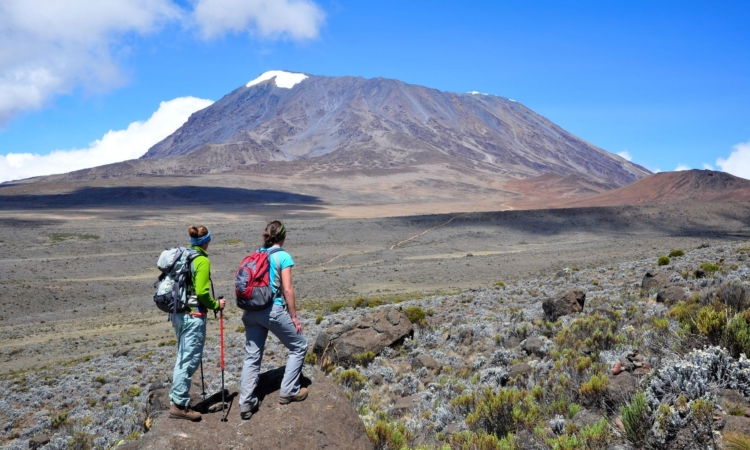
The Tanzania section of the Gregory Rift covers a large area. It includes Mount Kilimanjaro, which is the highest mountain in Africa. It also includes the Ngorongoro Crater in the crater highlands and Ol Doinyo Lengai, which is the only active carbonatite volcano in the world.
Lakes Within the Gregory Rift
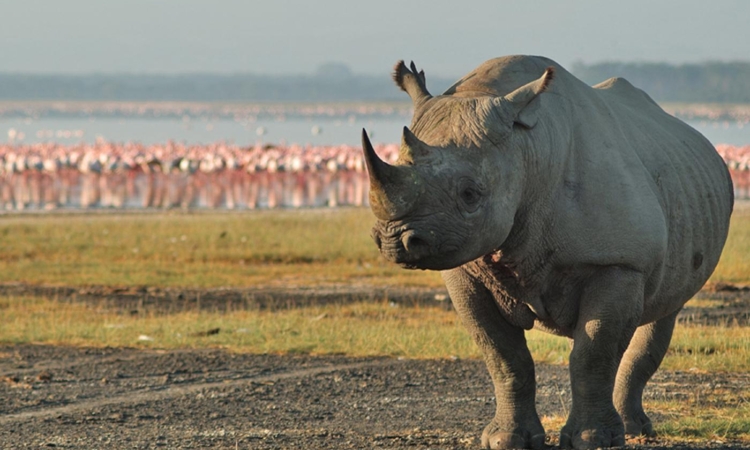
There are several lakes found within the Gregory Rift. These include Lake Turkana, Lake Baringo, and Lake Bogoria. Some of these lakes are deep, while others are shallow. The water can be fresh or saline depending on the location. These lakes support wildlife and bird life within the rift system.
Early Exploration of the Gregory Rift
Joseph Thomson was one of the first explorers to study this region between 1879 and 1880. He traveled under the Royal Geographical Society of Britain. During his journey, he observed the shape and structure of the land and suggested the presence of a large fault.
He later returned in 1883 and traveled through Kenya from Mount Longonot to Lake Baringo. He described the valley as a deep depression with steep sides rising high above the valley floor.
John Walter Gregory later explored the area between 1893 and 1919. He wrote a book in 1896 called The Great Rift Valley. In this work, he explained the idea of a rift valley as a long valley formed by parallel faults. The Gregory Rift was named after him because of his work in the region.
Geological Importance
The Gregory Rift is defined as a system of faults and grabens that extend from the Gulf of Aden through Ethiopia and Kenya into northern Tanzania. It passes through areas of uplift in both Ethiopia and Kenya.
The rift is also important for human history. Fossils of early human ancestors have been found in the southern parts of the Gregory Rift. These discoveries help scientists understand the history of human evolution.
Visiting the Gregory Rift
The Gregory Rift is an important natural feature in East Africa. It offers a chance to learn about geology, landscapes, and early human history. Visitors traveling through Tanzania and Kenya can see many of its features during their journey.