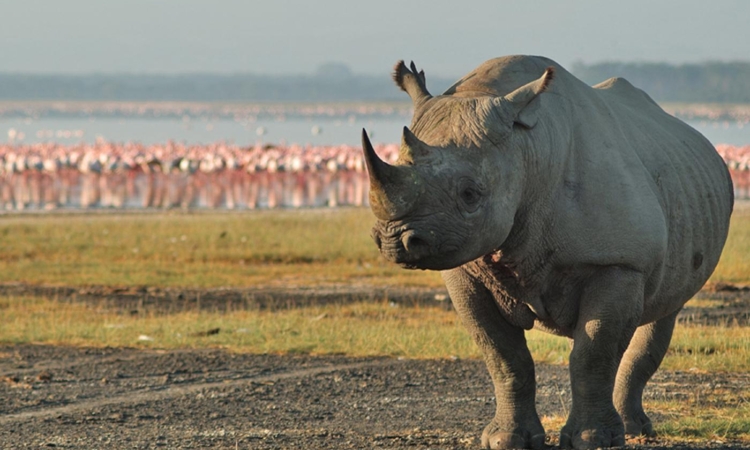
Kwakuchinja Corridor is an important wildlife area that connects Lake Manyara National Park and Tarangire National Park. This corridor supports the movement of animals between the two parks. It plays a key role in maintaining the ecosystem and supporting wildlife that depend on seasonal water and grazing areas.
Importance of Kwakuchinja Corridor
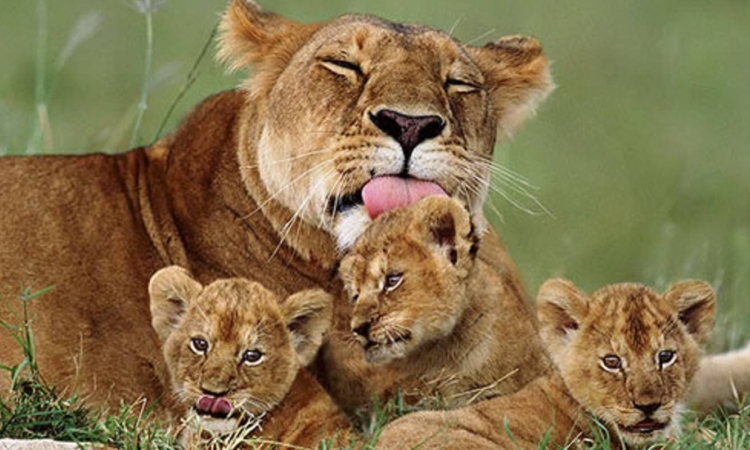
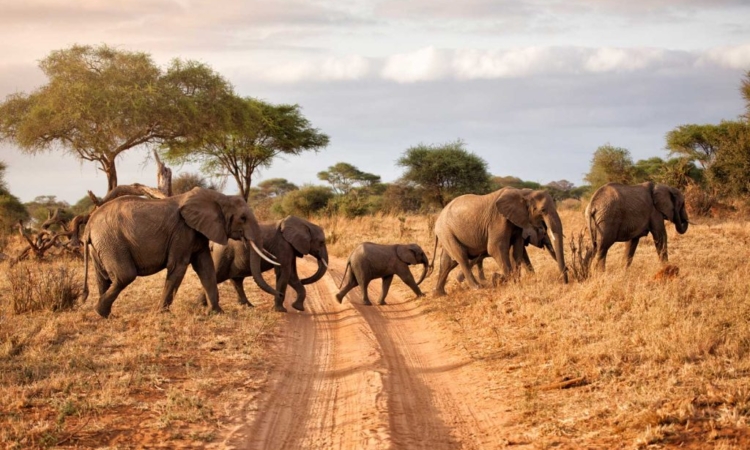
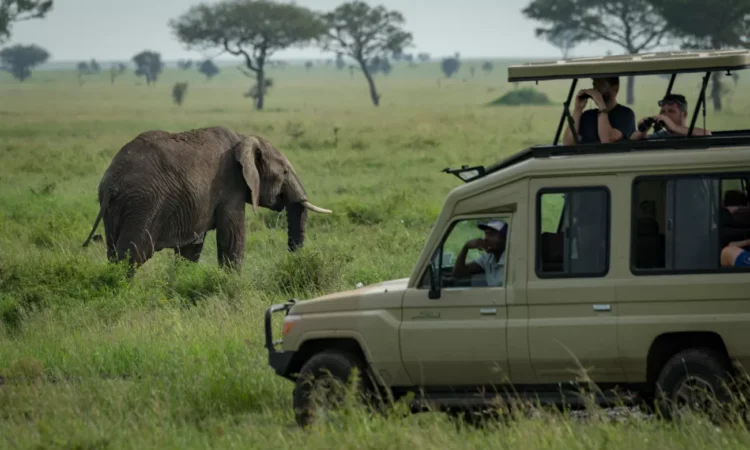
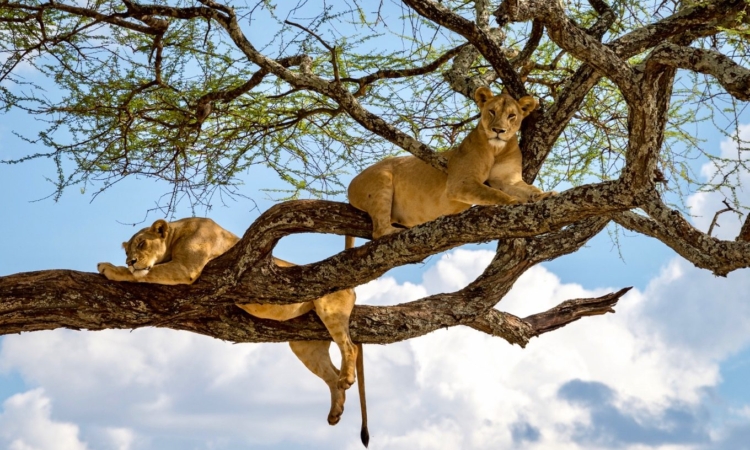
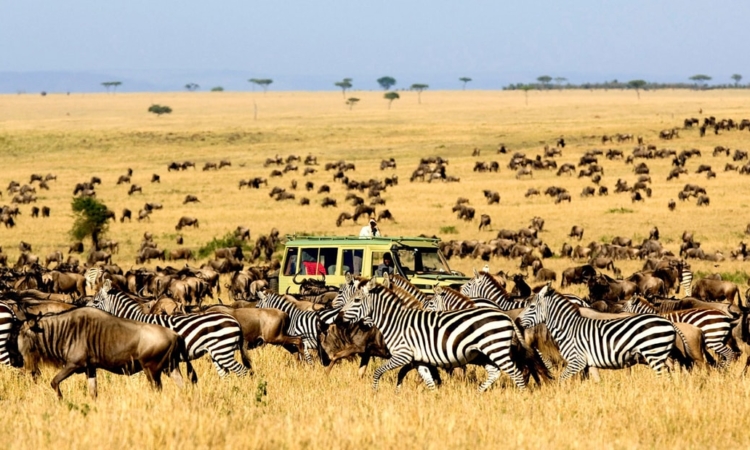
The Kwakuchinja Corridor allows animals to move freely between Lake Manyara and Tarangire. Many species such as elephants, zebras, wildebeest, giraffes, and lions use this route. It also supports over 380 bird species found in the area.
This movement is important because animals follow changes in seasons. During dry periods, they move to areas with water, and during wet seasons, they return to areas with fresh grass. Without this corridor, many animals would struggle to survive.
Past Challenges in the Corridor
In 2009, the Kwakuchinja Corridor was reported to have very few animals. Many species such as lions, dik dik, waterbuck, impala, zebra, cheetah, leopards, and giraffes were no longer common in the area. Human activities and land use changes affected the movement of wildlife.
Farming, settlement, and other activities reduced the space available for animals. This caused a decline in wildlife numbers within the corridor.
Restoration and Conservation Efforts
Over the past 15 years, efforts have been made to restore the Kwakuchinja Corridor. The Chem Chem Association has played a major role in bringing wildlife back to the area. Today, many animals have returned and can move freely between the two parks.
The government has also selected the corridor as a pilot area for the Wildlife Management Area policy. This policy focuses on involving local communities in wildlife conservation.
Role of Local Communities
Local communities play an important role in protecting the Kwakuchinja Corridor. Programs have been introduced to help people find alternative sources of income without harming the environment.
Nashon Macokecha, a game officer, has supported community projects that promote conservation. These projects help reduce poverty and encourage people to protect wildlife and natural resources.
Communities are also being taught better ways of using natural resources. This includes using improved cooking stoves and planting trees to reduce pressure on forests.
Protecting the Corridor for the Future
The Kwakuchinja Corridor remains important for wildlife movement. It provides access to water sources during dry seasons. If this corridor is blocked, animals may not reach water and grazing areas.
Climate change is also a concern, and efforts are being made to reduce its effects through community education and conservation practices.
Visit and Support Kwakuchinja Corridor
Kwakuchinja Corridor is a key part of the ecosystem between Lake Manyara and Tarangire. Protecting this area helps wildlife survive and supports tourism in Tanzania.