Want to learn about the biodiversity of Lake Manyara National Park? Lake Manyara National Park may be small in size, but it offers a rich experience for anyone interested in nature. Located at the base of the Great Rift Valley escarpment in northern Tanzania, the park brings together different landscapes and wildlife in one area. This makes it a good place for a short but rewarding safari.
At the center of the park is Lake Manyara itself, a shallow alkaline soda lake that covers about 200 square kilometers. The lake forms a large part of the park’s northern section and provides water for many animals. Because of this, wildlife is often seen close to the lake, especially during dry periods when water is limited in other areas.
Landscapes and Natural Habitats
The biodiversity of Lake Manyara National Park is supported by its mix of habitats. These include groundwater forests, acacia woodlands, and open grasslands. Each habitat supports different plants and animals, which helps the park maintain a healthy ecosystem.
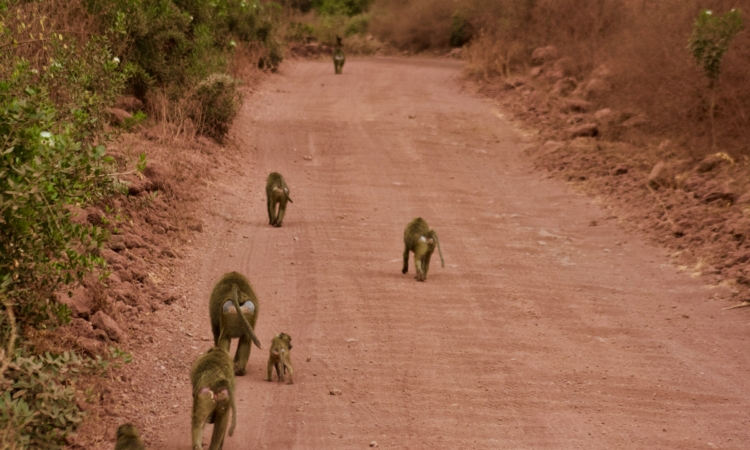
The groundwater forest is one of the most important areas in the park. It is fed by underground springs and supports thick vegetation. Some of the trees found here include fig trees, mahogany, giant ferns, and other plant species. This forest is home to primates and many bird species that depend on the trees for shelter and food.
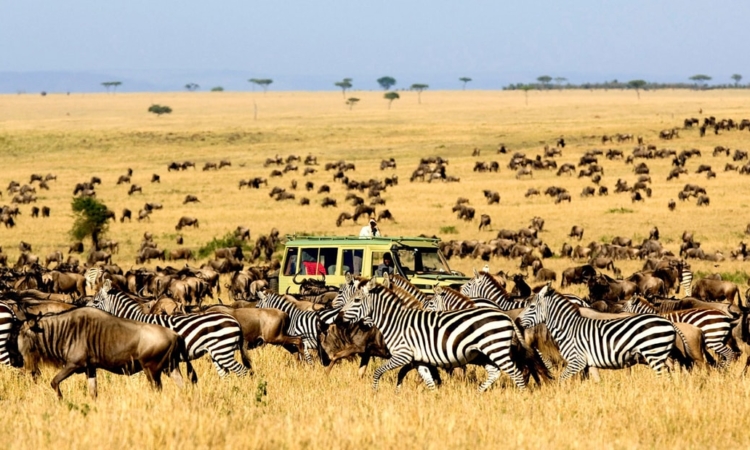
The open grasslands and acacia woodlands are important for grazing animals. Zebras, giraffes, wildebeest, and buffaloes feed in these areas. These animals also attract predators such as lions, leopards, and hyenas, which hunt in the same spaces.
Wildlife and Birdlife in Lake Manyara
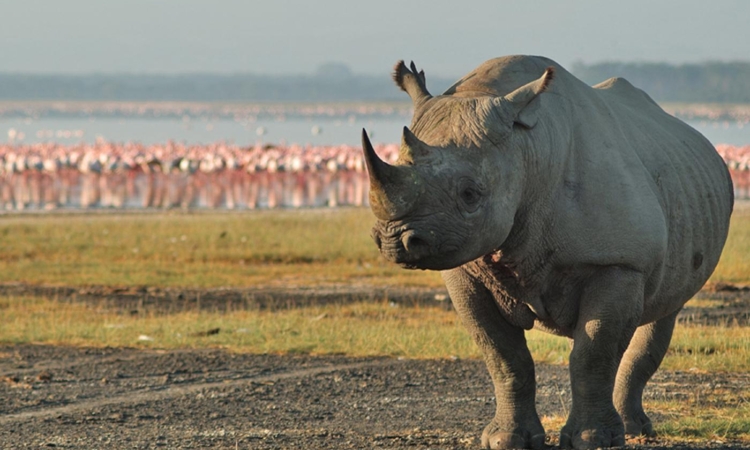
Lake Manyara National Park is known for its wildlife and birdlife. The park has over 400 bird species, making it a good destination for bird watching. Flamingos are often seen along the lakeshore, especially when conditions are right. Other birds include pelicans, storks, and many forest and water birds.
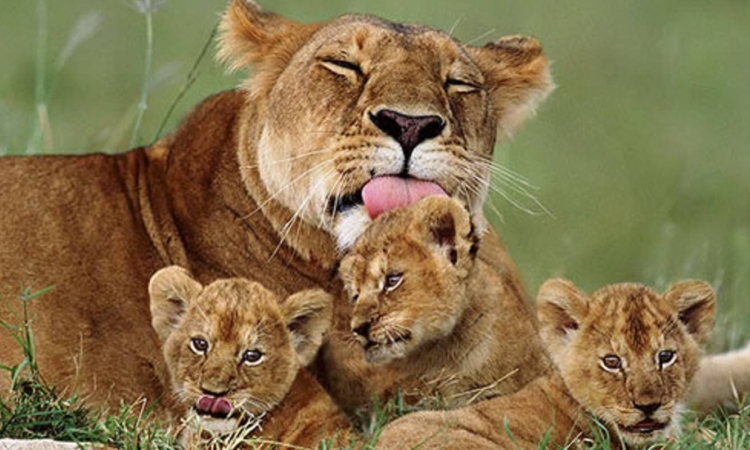
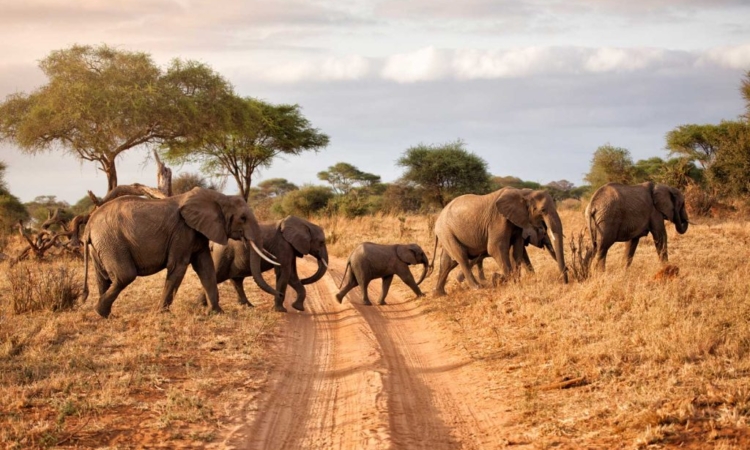
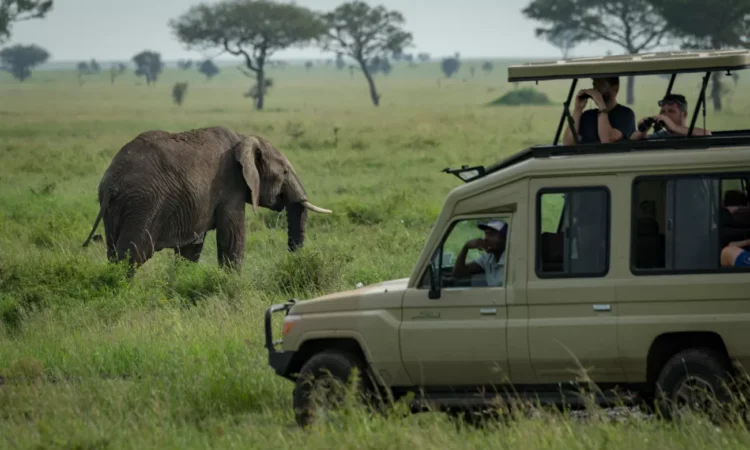
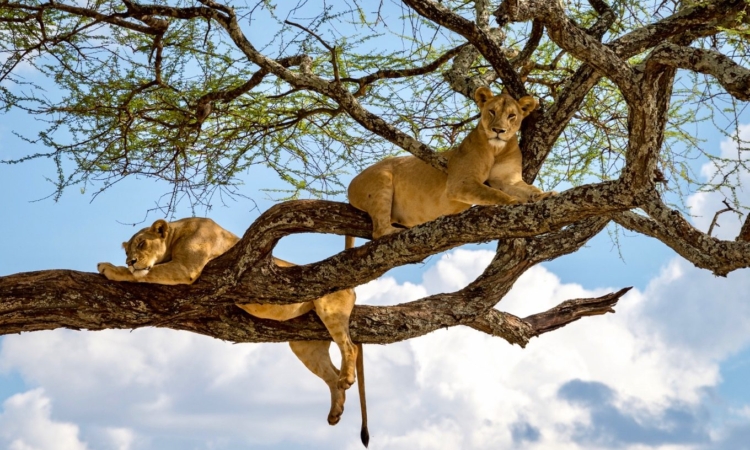
The park is also known for its elephants, which move through the forest and grassland areas. One of the unique features of the park is its tree climbing lions, which are sometimes seen resting in the branches of acacia trees.
Scenic Views and Seasonal Changes
The Great Rift Valley escarpment rises about 500 meters above the park and forms a strong background for wildlife viewing and photography. During the rainy season, water flows down the escarpment, creating waterfalls. At the same time, the vegetation becomes green, which supports more animal activity.
This change between dry and rainy seasons helps keep the park active throughout the year. Each season offers a different experience for visitors.
Conservation of Lake Manyara Biodiversity
Lake Manyara National Park remains an important area for wildlife conservation. Protecting its habitats helps maintain the balance between animals, plants, and the environment. Visitors are encouraged to respect nature and support conservation efforts.