The history of Lake Manyara National Park shows how the area has changed over time to become one of the well known wildlife destinations in Tanzania. The park covers about 330 square kilometers, and almost two thirds of it is taken up by Lake Manyara. This shallow lake supports many animals and birds, making the park an important place for nature and wildlife.
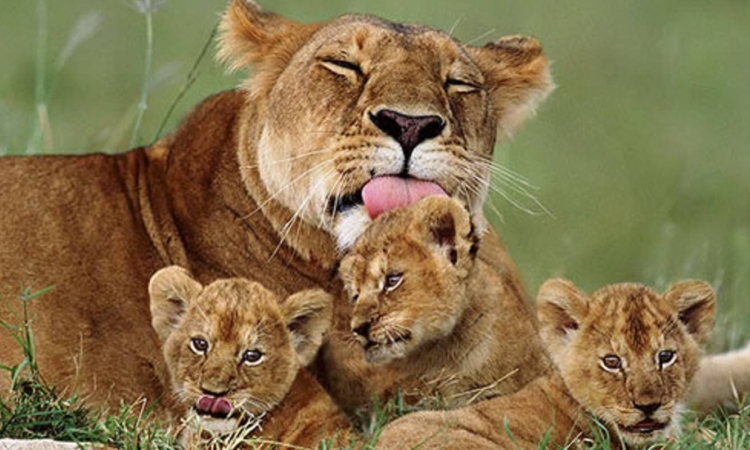
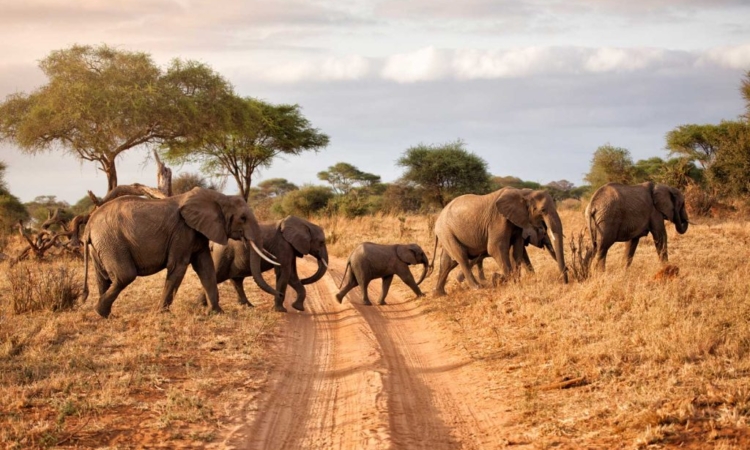
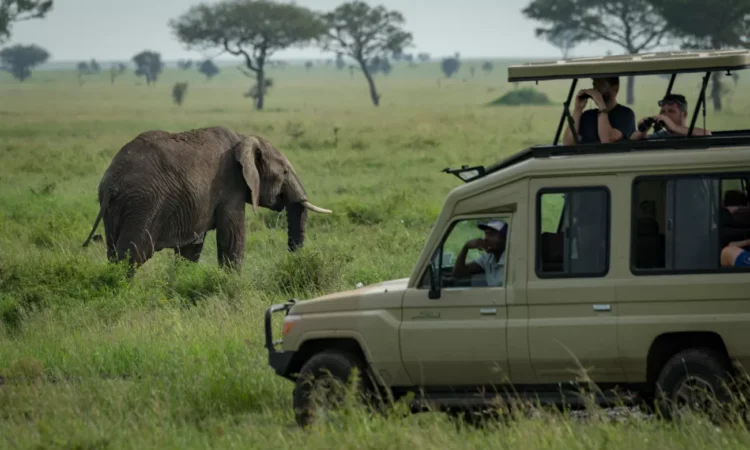
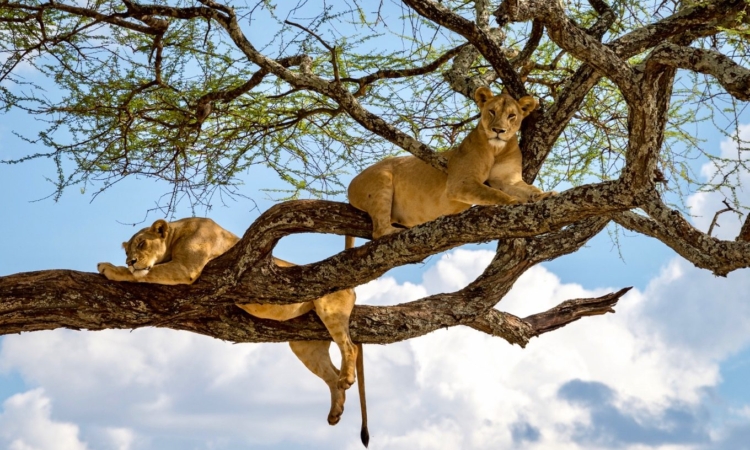
Lake Manyara National Park is known for its tree climbing lions that rest in acacia trees. It is also home to large herds of elephants. A long study of elephants was carried out in this park, which later led to the book “Among the Elephants” by Iain and Oria Douglas Hamilton. This study helped people understand elephant behavior and their way of life.
Wildlife in Lake Manyara
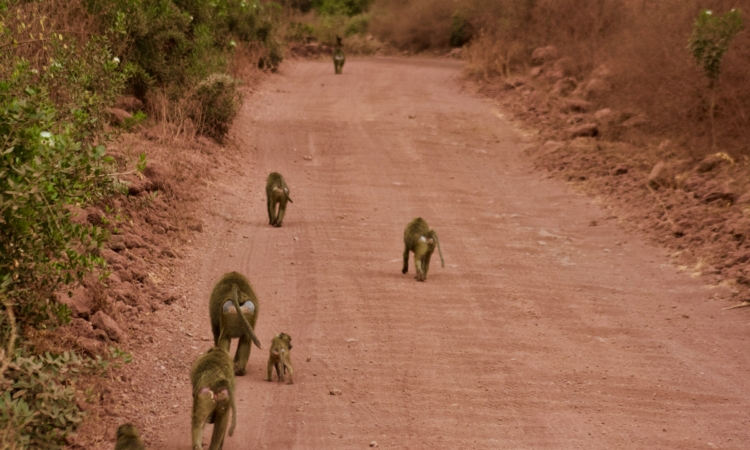
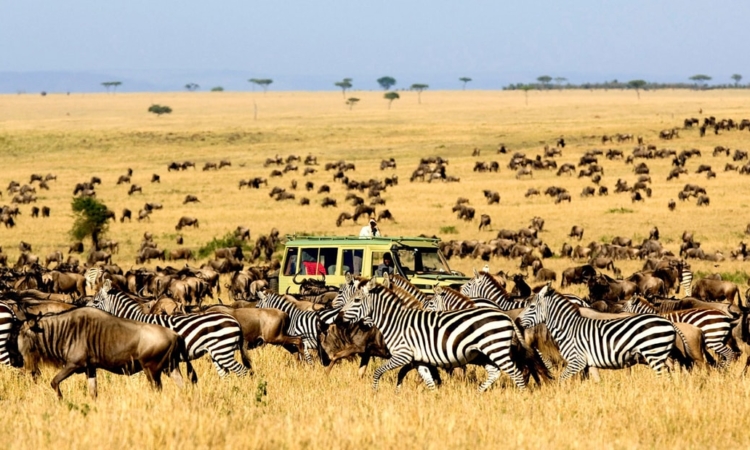
The park supports many animal species. There are three main primate species, including large troops of baboons. Other animals found in the park include giraffes, zebras, wildebeest, buffaloes, hippos, leopards, cheetahs, and spotted hyenas.
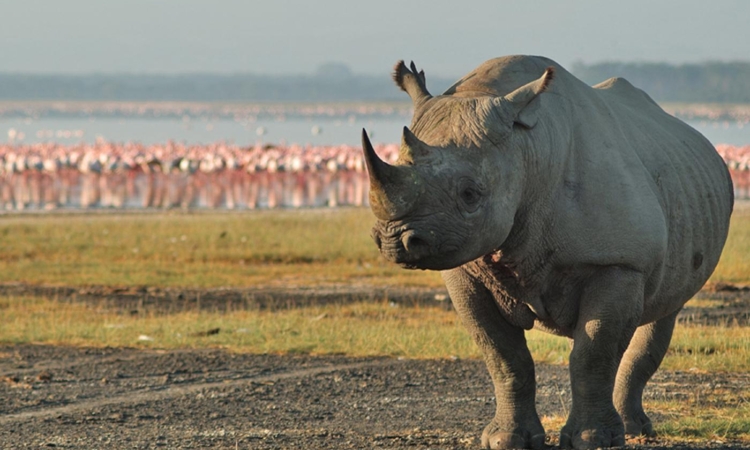
Lake Manyara National Park is also rich in birdlife. Over 400 bird species have been recorded in the park. Flamingos are the most well known birds and are often seen along the lake. These birds attract many visitors who come for bird watching.
Early History and Hunting Period
Looking at the early history of Lake Manyara, the area was used for sport hunting in the 1920s. This activity posed a threat to wildlife, which led to the need for protection. In 1957, the area was declared a game reserve to help control hunting and protect animals.
However, this protection was not enough, and in 1960 the area was upgraded to a national park. This change helped protect the park’s ecosystem and support the growing number of elephants and other wildlife.
Conservation and Recognition
In 1981, Lake Manyara National Park was added to the UNESCO World Network of Biosphere Reserves. This recognition showed the importance of the park in conserving nature and wildlife.
The name “Manyara” is believed to come from a plant called Euphorbia tirucalli, known as “Emanyara” in the Maasai language. The Maasai people used this plant to create living fences around their homes to protect their livestock.
Cultural History and Local Communities
Before the park was created, the land was used by local communities such as the Maasai. They grazed their cattle on the plains near the lake and lived alongside wildlife. Over time, many of these communities moved as conservation efforts increased.
Lake Manyara also became more known in the 1930s when Ernest Hemingway visited and wrote about it in his book “Green Hills of Africa.” His visit helped bring attention to the area.
The history of Lake Manyara National Park shows the journey from hunting grounds to a protected area for wildlife. Today, it remains an important park for conservation and tourism.